Wasp & Bee Nest Removal in Melbourne
Same-day wasp nest removal across south-east Melbourne, 24/7. Found a nest or a bee swarm? Keep people and pets away and call us.
- Same day and after-hours callouts
- European wasps, paper wasps, bee swarms and hives
- Licensed technicians, rated 4.9 on Google
Wasp or bee problem? Get a quote
Tell us the pest and your suburb. We reply fast, and urgent jobs can usually be done the same day.
- Open 24/7Nights, weekends, holidays
- Same day serviceOften within hours
- Licensed techniciansVictorian Department of Health
- Local since 2015Based in Clayton South
Is it a wasp or a bee?
Not sure? Send a photo on WhatsApp from a safe distance and we’ll tell you. These are the three we see most in Melbourne.
European wasp
Bright yellow and black, smooth and shiny, with a slim waist. The nest is grey and papery and usually hidden: in the ground, wall cavities, roof spaces, sheds, retaining walls and thick plants. Often all you see is wasps flying in and out of one small gap. They defend the nest hard and can sting many times.
Paper wasp
Longer and thinner, brown or orange with yellow bands, legs hanging down as they fly. Small open nests like an upside-down umbrella of grey cells, under eaves, pergolas, fences, letterboxes and clotheslines. Less aggressive than European wasps, but they sting if the nest is bumped.
Honey bee
Rounder, fuzzy and golden brown. A swarm is a large buzzing cluster on a branch, fence or wall, mostly in spring and early summer, and often moves on within a few days. A hive built inside a wall or roof is different and won’t leave on its own. A honey bee can only sting once.
When they’re worst
European wasp nests start in spring and grow all summer. They are busiest from December to April, peaking from February, when nests are biggest and wasps hunt for sweet drinks and meat around outdoor tables and bins. In Melbourne’s mild winters some nests survive and keep growing into the next year, which is how very large nests form.
Bee swarms are most common from September to December.
Signs of a nest nearby
- Wasps coming and going from one gap in a wall, roof tile, paving or the ground
- More than a few wasps around your bins, pool or barbecue every day
- A grey papery ball in a shed, roof space or shrub
- Humming or scratching inside a wall or ceiling
Why a wasp nest shouldn’t be left
A European wasp nest near a door, path, pool or play area gets more dangerous as it grows, because the wasps defend a wider space around it. Stings hurt and swell, and for anyone with an allergy a sting can cause anaphylaxis, which is a medical emergency. Nests inside walls and ceilings can also be chewed through into a room.
Bees are different. Honey bees are important pollinators, so for a swarm we look at live collection or relocation first, where it’s practical and safe.
How we remove a wasp nest, step by step
- Call or WhatsApp usTell us where the nest is and send a photo if you can take one safely. We ask about children, pets and anyone with a sting allergy, then give you a time.
- Clear quote firstWe confirm what’s involved and give you a clear quote before any work starts. Urgent nests are often done the same day or night.
- Find every entryOur technician finds the nest and each entry point, including hidden ones in walls, roofs and the ground, and checks for a second nest.
- Treat the nestThe product goes into the nest entry, not sprayed across your yard. Where it can be reached safely, the nest is removed.
After we leave
- Wasps that were out foraging come back and fly around the entry for a day or two. This is normal, and they die off.
- Don’t block or fill the hole straight away. Trapped wasps can chew a new way out, sometimes into the house. Seal it once activity has stopped.
- Keep children and pets away from the treated entry until the time your technician gives you.
- Still seeing steady activity after two days? Call us so we can check what’s happening.
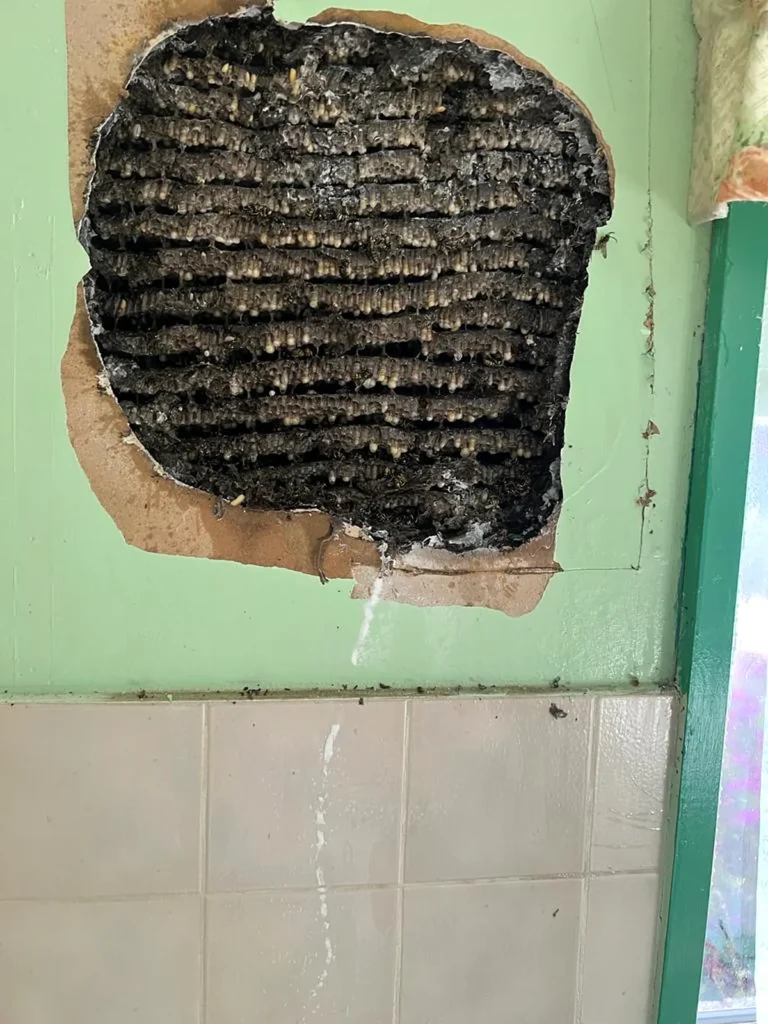
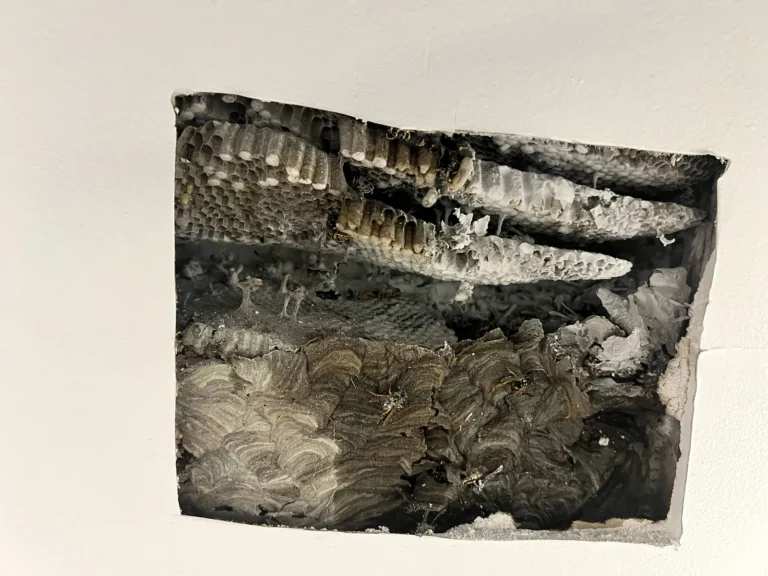
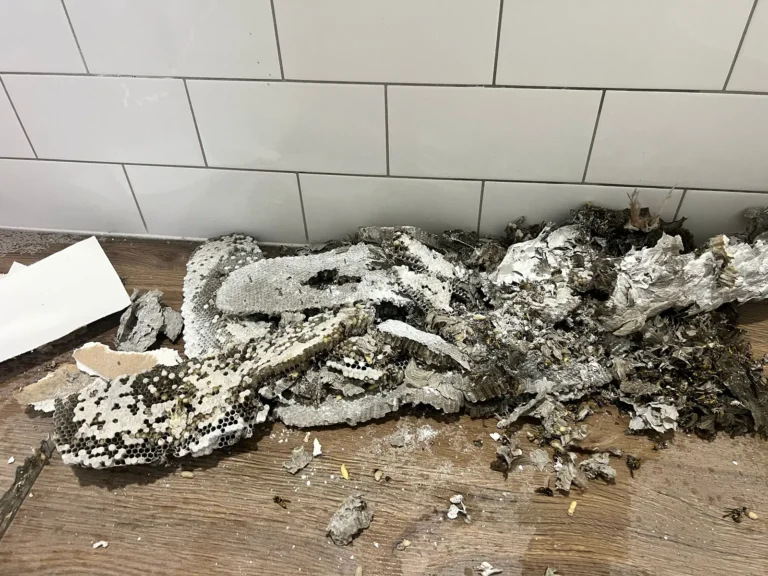
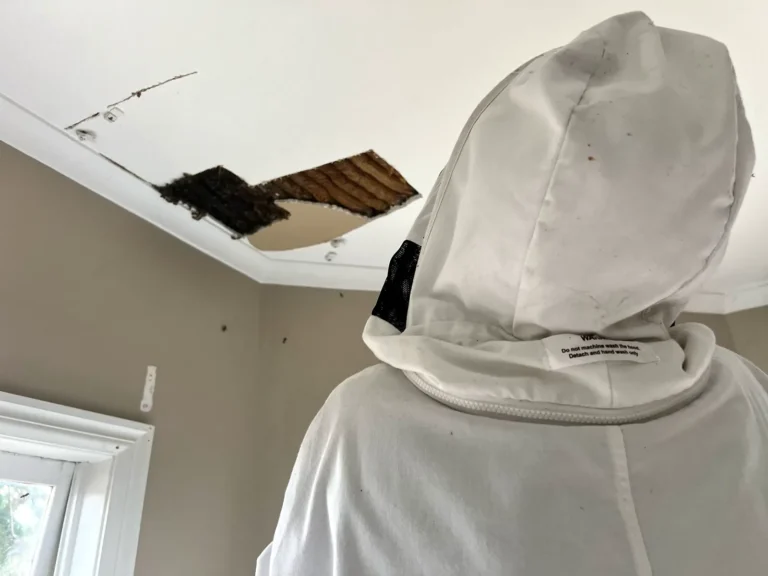
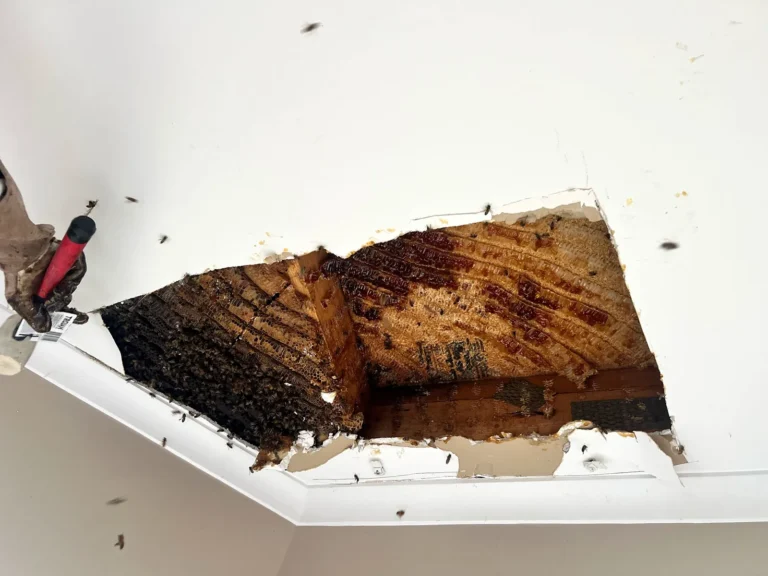
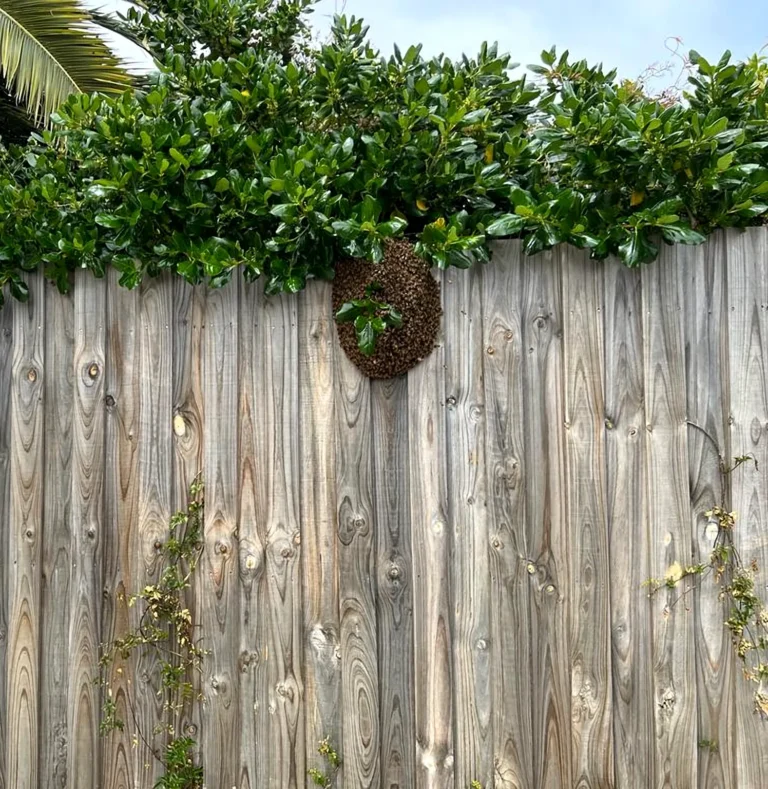
From our recent jobs
Real wasp and bee jobs from our own technicians. Every nest is different, which is why we check before we quote.
What our customers say
★★★★★“Arrived very quickly coming late at night (9pm), dealing with wasps coming into my mum’s house. Great communication, fast work, and they understood how urgent the issue was.”
★★★★★“Came out within 30 minutes of my call to attend to a disturbed wasps nest in the ground, deep within some ferns which could not easily be accessed.”
★★★★★“Amazing service and hive fully removed with 6 month warranty, also very kind and got the job done quickly in the same day.”
Real reviews from our Google Business Profile, shortened only where marked. First names only.
Kids, pets and neighbours
Tell us if children, pets or anyone with a sting allergy will be home. We plan the job around them and tell you how long to keep everyone away from the area.
Treatment goes into the nest entry only, so the rest of your yard stays usable. Move pet bowls, toys and washing near the nest inside before we arrive.
If the nest is near a neighbour’s fence or a shared wall, let us know. We may need to reach the entry from their side, which means their OK.
If someone is stung
Move away from the nest first. For a bee sting, scrape the sting out sideways with a fingernail or card. Wash the area and use a cold pack to ease swelling.
Call 000 straight away if the person has trouble breathing, swelling of the face, lips or throat, feels faint, or has a known allergy.
What affects the cost
We don’t publish prices because two wasp jobs are rarely the same. You get a clear quote before we start. These are the things that change it:
- Where the nest is. A nest in the open is quicker than one inside a wall cavity, roof space or the ground.
- Height and access. Second-storey eaves, steep roofs and tight sub-floors need more gear and time.
- How many nests. We often find a second nest on the same property.
- Size of the nest. Large nests that have survived winter take more work.
- Wasps or bees. A swarm, or a hive inside a wall, is a different job from a wasp nest.
- When you need us. Urgent night, weekend and public holiday callouts.
DIY or call a professional?
A fair comparison for a European wasp nest.
| Doing it yourself | PestFree Nests | |
|---|---|---|
| Finding the nest | You may only find one entry. Nests inside walls are easy to miss. | We find the nest and every entry, and check for a second nest. |
| Product | Shop sprays often don’t reach a nest inside a wall or the ground. | Professional products placed into the nest entry. |
| Stings | A disturbed nest sends many wasps out at once. | Protective gear and a plan before the nest is touched. |
| Heights and roofs | Ladder work while wasps attack is how falls happen. | Licensed technicians with the right access gear. |
| Bees | Spraying a swarm kills bees that could have been collected. | We advise on live collection or relocation where practical. |
| Cost | The spray, plus more if it doesn’t work. | A clear quote before any work starts. |
Homes and businesses
We remove nests for houses, units, schools, cafes, building sites and offices. One review came from a site where wasps were stopping the workers. We had it sorted within about an hour.
Other services: Bee swarms and hives · General pest control · Possums · Rats & mice · Spiders · Ants · Cockroaches · Termites · End of lease · Business & food premises
Common questions
Can I remove a wasp nest myself?
We don’t recommend it. European wasps defend the nest and can sting many times, and shop sprays often don’t reach nests inside walls or the ground. A half-treated nest is usually angrier, not smaller. Keep clear and call us.
How fast can you come?
We’re open 24/7 and urgent wasp jobs are often done the same day or night. Call 0423 624 888 and we’ll give you a time.
How much does wasp nest removal cost?
It depends on where the nest is, how high and hard it is to reach, how many nests there are and when you need us. We don’t publish prices. You get a clear quote before any work starts.
Is it a wasp or a bee?
Wasps are smooth and shiny with a slim waist. Honey bees are rounder and fuzzy. If you’re not sure, send a photo on WhatsApp from a safe distance and we’ll tell you.
How long does the treatment take?
Most single nests are treated in one visit. Nests inside walls, roofs or the ground can take longer to find. We’ll tell you what to expect when you call.
Will the wasps be gone straight away?
Most activity stops soon after treatment. Wasps that were out foraging come back and fly around the entry for a day or two, then die off.
Should I block the hole the wasps use?
Not straight away. Wasps that are blocked in can chew a new way out, sometimes into the house. Seal the hole once activity has stopped.
Is the treatment safe for children and pets?
The product goes into the nest entry, not across your yard. Keep children and pets away from the treated area until the time your technician gives you.
Do you remove bee swarms and hives?
Yes. Tell us where the swarm or hive is and how long it’s been there. Where it’s practical and safe, live collection or relocation comes first. Our bee swarm and hive guide has more detail.
Will the nest come back?
A treated nest won’t be used again. New queens can start new nests in spring, so keep an eye on the same spots each year and call early, while nests are small.
What if the nest is on my neighbour’s side?
Let us know where the entry is. If it’s on their side of the fence or wall, we need their OK to reach it.
Do you remove nests for businesses?
Yes. Cafes, schools, offices, shops and building sites. We can plan the job around opening hours or site work.
Areas we cover
We remove wasp and bee nests across south-east Melbourne from our base in Clayton South. Not sure if we cover your street? Call 0423 624 888 and ask.
Local pages: Clayton · Oakleigh · Mulgrave · Bentleigh · Brighton · Hallam · Endeavour Hills · Richmond · All of Melbourne
Page updated 16 November 2026 by the PestFree Nests team, Clayton South.
Wasp nest near the house?
Keep clear and call 0423 624 888 – 24/7, same day.